Laboratory Diagnostics
Perform accurate laboratory tests that support disease diagnosis, treatment and patient monitoring.
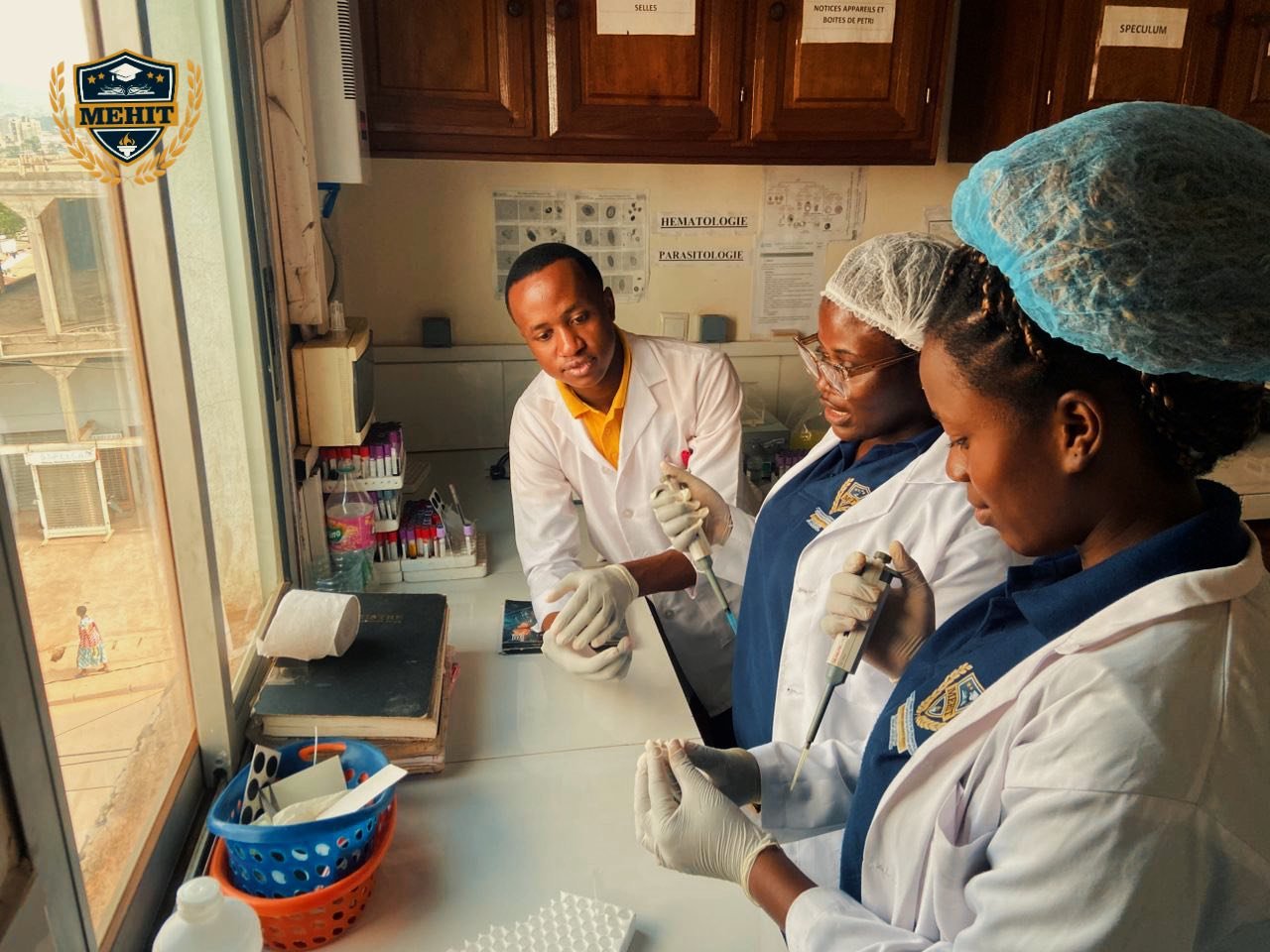
Discover with precision. Diagnose with confidence.
Develop the scientific knowledge, laboratory expertise and analytical skills required to detect diseases, support accurate diagnosis and improve patient outcomes through modern laboratory medicine.
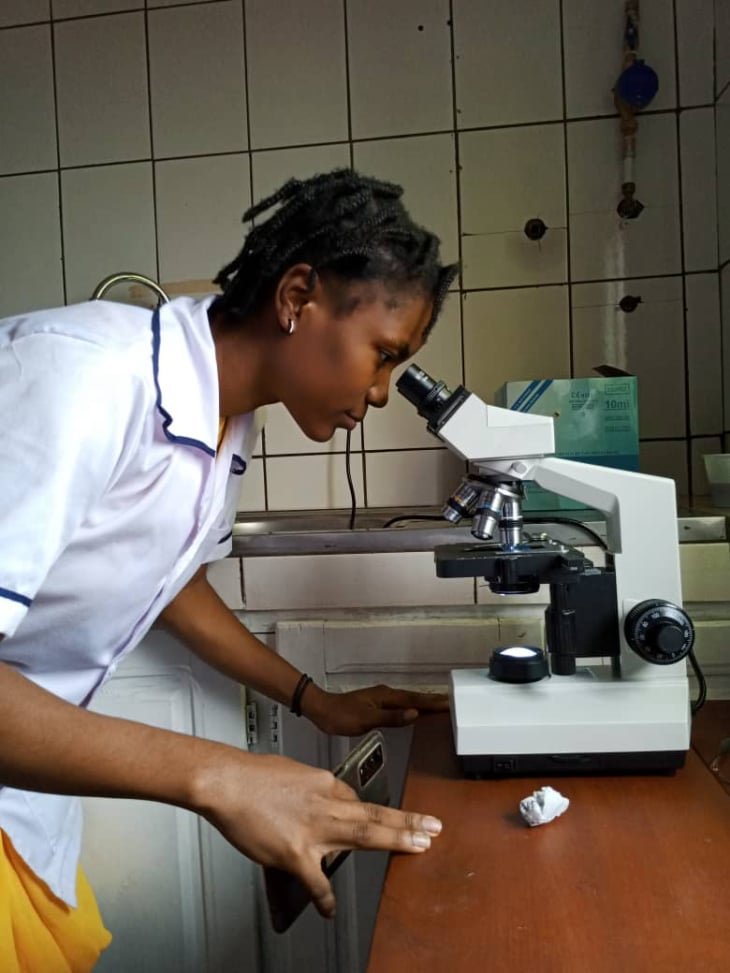
Scientific precision.
Clinical responsibility.
Medical Laboratory Science is at the heart of modern healthcare, providing the scientific evidence required to identify diseases, guide treatment decisions and monitor patient recovery.
At MEHIT University, students develop a strong foundation in biomedical sciences while gaining practical competence in clinical testing, laboratory procedures, scientific investigation and diagnostic technologies.
Through laboratory-based learning, clinical exposure and professional supervision, students learn to analyse biological samples accurately, interpret laboratory findings and maintain the highest standards of quality, ethics and patient safety.
Every reliable diagnosis begins with precise scientific investigation.
Perform accurate laboratory tests that support disease diagnosis, treatment and patient monitoring.
Understand the biological and physiological principles that explain health, infection and disease.
Examine blood, tissues and other biological specimens using recognised clinical laboratory procedures.
Identify infections, abnormalities and disease markers through precise scientific examination.
Apply research methods, analytical thinking and evidence-based reasoning to laboratory challenges.
Maintain accuracy, safety, reliability and professional standards throughout laboratory operations.
Every stage of the programme is carefully designed to build scientific knowledge, practical laboratory competence and professional confidence required in modern diagnostic medicine.
Develop a solid understanding of biology, chemistry, anatomy, physiology and biomedical sciences while establishing the scientific principles that underpin laboratory medicine.
Learn specimen collection, laboratory instrumentation, microscopy, analytical procedures and safe laboratory practices through intensive practical sessions.
Apply advanced diagnostic methods in microbiology, haematology, clinical chemistry, immunology and molecular laboratory investigations to support accurate patient care.
Gain supervised experience in hospitals and diagnostic laboratories, working alongside healthcare professionals while applying quality assurance, ethics and professional laboratory standards in real clinical environments.
Explore the scientific disciplines, diagnostic procedures and professional laboratory practices required to analyse biological specimens, identify disease and support evidence-based patient care.


Study the chemical composition of blood and other biological fluids while learning to evaluate organ function, metabolic disorders and biochemical changes associated with disease.
Investigate bacteria, viruses, fungi and parasites responsible for human disease while mastering laboratory methods used to isolate, identify and control infectious organisms.
Examine blood cells, clotting mechanisms and blood-related disorders using microscopic, manual and automated laboratory techniques.
Learn to prepare, stain and examine tissue and cellular specimens for the microscopic detection of cancer, inflammation and structural disease.
Understand immune-system responses and apply antigen-antibody testing methods to detect infections, autoimmune conditions and other immune-related disorders.
Explore DNA- and RNA-based diagnostic methods while developing the operational, ethical and quality-management skills required to coordinate a modern medical laboratory.
At MEHIT University, Medical Laboratory Science education goes beyond the classroom. Every learning experience combines modern laboratory technology, scientific investigation and real healthcare environments to prepare competent laboratory professionals.

Train with contemporary laboratory equipment while mastering specimen processing, analytical testing, microscopy and automated diagnostic technologies.

Gain valuable hospital experience by working alongside laboratory scientists and healthcare professionals in real diagnostic environments.

Participate in scientific investigations, laboratory projects and evidence-based research that strengthen diagnostic decision-making.

Develop confidence through practical simulations that replicate professional laboratory workflows before entering clinical practice.

Learn international laboratory quality standards, biosafety procedures, documentation and quality control systems essential for modern healthcare laboratories.

Build professional networks through partnerships with hospitals, diagnostic centres and biomedical organisations while understanding current laboratory practice.
A qualification in Medical Laboratory Science opens the door to professional opportunities across hospitals, diagnostic centres, research institutions, public-health laboratories and biomedical organisations.

Perform scientific analysis of blood, tissue and other biological specimens to support disease detection, diagnosis and patient treatment.

Operate modern laboratory instruments, process patient samples and conduct routine and specialised clinical investigations.

Identify disease-causing microorganisms, conduct microbial cultures and contribute to infection prevention and antimicrobial treatment decisions.

Analyse blood cells, coagulation systems and haematological disorders using microscopic, automated and specialised laboratory techniques.

Investigate disease processes, evaluate diagnostic technologies and contribute to scientific discoveries that improve healthcare and laboratory medicine.

Coordinate laboratory operations, enforce quality standards, supervise personnel and ensure accurate, safe and ethical diagnostic services.
Medical Laboratory Science
Six Semesters + Clinical Internship
Science subjects required.
Full-time On-Campus Programme
MEHIT University Main Campus
Practical laboratory training in approved clinical and diagnostic environments.
Contact Admissions for current tuition information.
Prepared for hospitals, diagnostic laboratories, research centres and biomedical organisations.
The Higher National Diploma (HND) in Medical Laboratory Science is completed over three academic years (six semesters), including supervised clinical laboratory training.
Yes. Students participate in supervised laboratory internships and clinical placements within hospitals, diagnostic laboratories and other approved healthcare institutions.
Students receive practical training using modern laboratory equipment for clinical chemistry, microbiology, haematology, immunology, histopathology and molecular diagnostic procedures.
Yes. Graduates of the HND programme may progress to a Bachelor's degree in accordance with the University's admission requirements.
Graduates can work as Medical Laboratory Scientists, Clinical Laboratory Technologists, Biomedical Research Scientists, Quality Assurance Officers and specialists in diagnostic laboratories and healthcare facilities.
Applications can be submitted through the MEHIT University Admissions Office. Contact the Admissions Team for current entry requirements, tuition fees and application deadlines.

Build the scientific knowledge, practical laboratory expertise and professional confidence required to contribute to accurate diagnosis and better patient care.